By Workforce Solutions East Texas
•
August 26, 2026
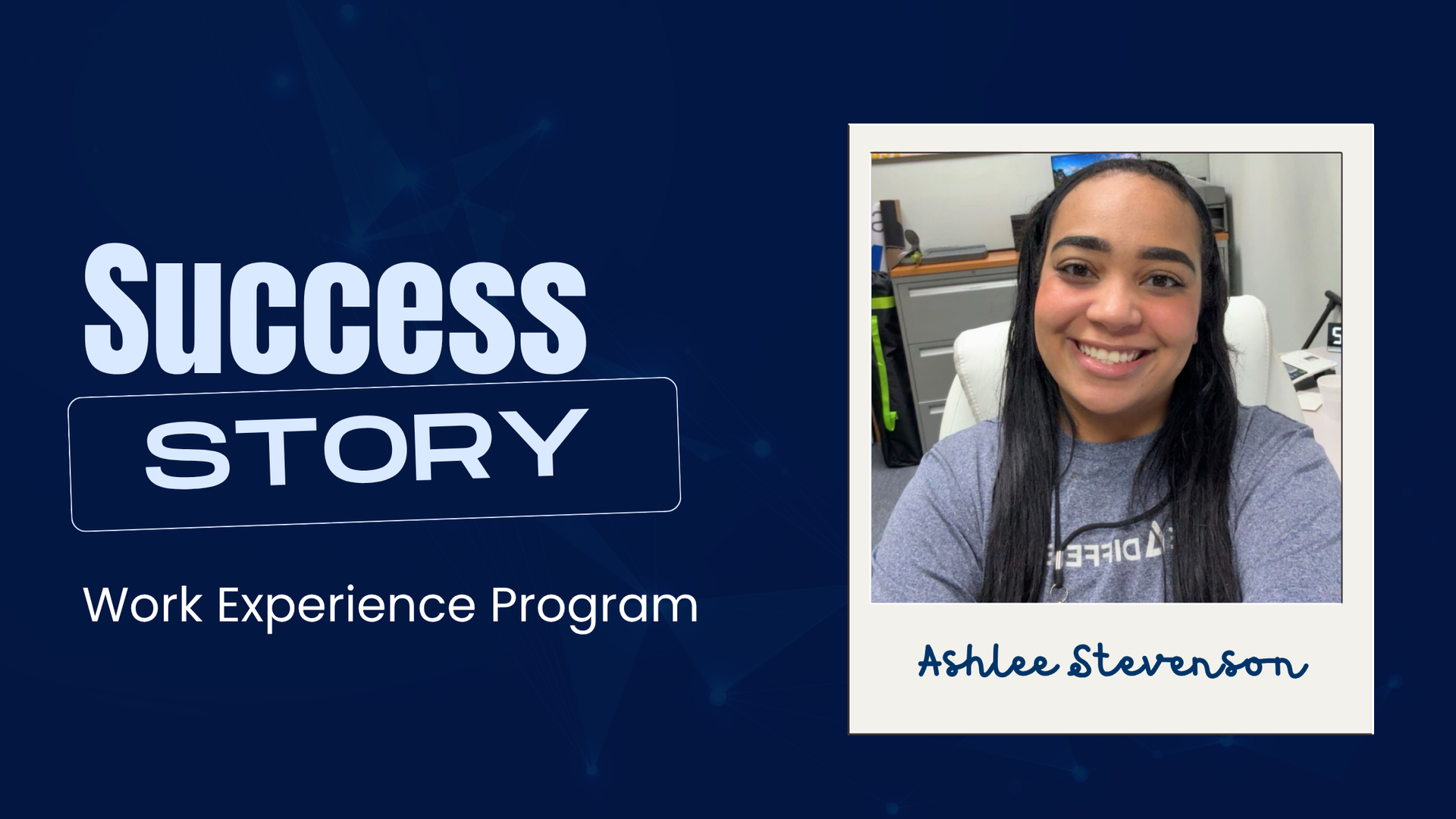
At just 24 years old, Ashlee Stevenson already knows the meaning of perseverance. As a mother of three young children, Ashlee’s greatest motivation has always been creating a better future for her family. While balancing the responsibilities of motherhood, she began searching for a path that would allow her to build a meaningful career in healthcare and provide greater opportunities for her children. Ashlee’s journey began when she discovered the Workforce Innovation and Opportunity Act (WIOA) Program through an online search. She was looking for more than just assistance with school; she needed support that would help remove the barriers standing between her and her goals. Through WIOA, she found the encouragement, resources, and guidance she needed to take the next step toward her dream of working in the healthcare field. “I wanted to go back to school to get a certification or degree in healthcare to get my foot in the door,” Ashlee shared. “I eventually would like to get into nursing school, but having a CMA or something to help me start is my goal. I wanted to make a future for my babies.” Soon after enrolling in the program, Ashlee accepted a Work Experience placement as an HR Administrative Assistant. Through the Work Experience (WEX) program, Ashlee gained valuable hands-on experience in an administrative role within a healthcare setting. Her responsibilities included scanning and uploading documents, organizing records, printing materials, and assisting with employee onboarding. The experience helped her develop skills that directly connect to her future career goals. “Healthcare does a lot of the same type of administrative duties,” Ashlee explained. “The interaction with employees also helped me practice for future clients.” Although Ashlee was determined to succeed, the journey was not without challenges. Balancing work, school goals, and her children's needs required dedication and resilience. There were times when unexpected situations, such as her children becoming ill, made her worry about whether she could continue. However, with the support of her placement site and Workforce Solutions East Texas, Ashlee found the encouragement she needed to keep moving forward. “They were really patient with me,” she said. “My Career Navigator, Antavia, was really sweet. She would come up to the job and talk to me and give me advice.” One of Ashlee’s proudest accomplishments was completing her WEX hours despite the obstacles she faced. Rather than allowing challenges to become setbacks, she chose to stay committed to her goals. “I’m proud of completing my hours and not quitting and letting myself give up because of the obstacles,” Ashlee shared. A key part of Ashlee’s success was the support she received from her Career Navigator. From helping her prepare for interviews to providing encouragement during difficult moments, Antavia became a source of motivation and stability throughout Ashlee’s journey. When Ashlee needed professional attire for an interview, Antavia and her co-workers at Workforce Solutions East Texas found options for her professional journey, as well as a few for her personal use. “I didn’t have the proper clothes for the interview, and they found some office clothes to give me,” Ashlee said. “I’m really thankful for that because I had pregnancies back-to-back and didn’t really have much, so that was great.” Beyond practical assistance, Ashlee valued the personal encouragement and compassion she received. During challenging times, Antavia reminded her of her purpose and encouraged her to continue pursuing her goals. “She would have conversations with me and remind me of my why for being in the program,” Ashlee shared. “I don’t really have the support system that I need, and she was there to uplift me during difficult times.” Ashlee also expressed that one of the most meaningful moments of her experience was when Antavia prayed with her, offering encouragement that she will carry with her beyond the program. Today, Ashlee has successfully completed her Work Experience placement and is continuing to move forward toward her healthcare career goals. She plans to pursue her Medical Assistant certification as the next step toward eventually entering nursing school and creating the future she envisions for her children. Through her experience, Ashlee gained more than workplace skills...she gained confidence, resilience, and the belief that she can overcome challenges. “My biggest lesson was to not give up and to have patience,” Ashlee said. “The WIOA program taught me a lot.” For others considering participating in the Work Experience program, Ashlee offers this encouragement: “Why not try? It’s worth the chance. The only thing holding you back is you hesitating.” Ashlee’s story is a reminder that with determination, support, and the courage to take the first step, barriers can become stepping stones toward a brighter future. Throughout it all, Ashlee has remained grateful for having a team dedicated to her success. Workforce Solutions East Texas is proud to have supported Ashlee on her journey and celebrates her commitment, perseverance, and continued pursuit of success.