A Testament to the Power of Workforce Assistance Programs: Bobbie Garza
Workforce Solutions East Texas • August 1, 2023

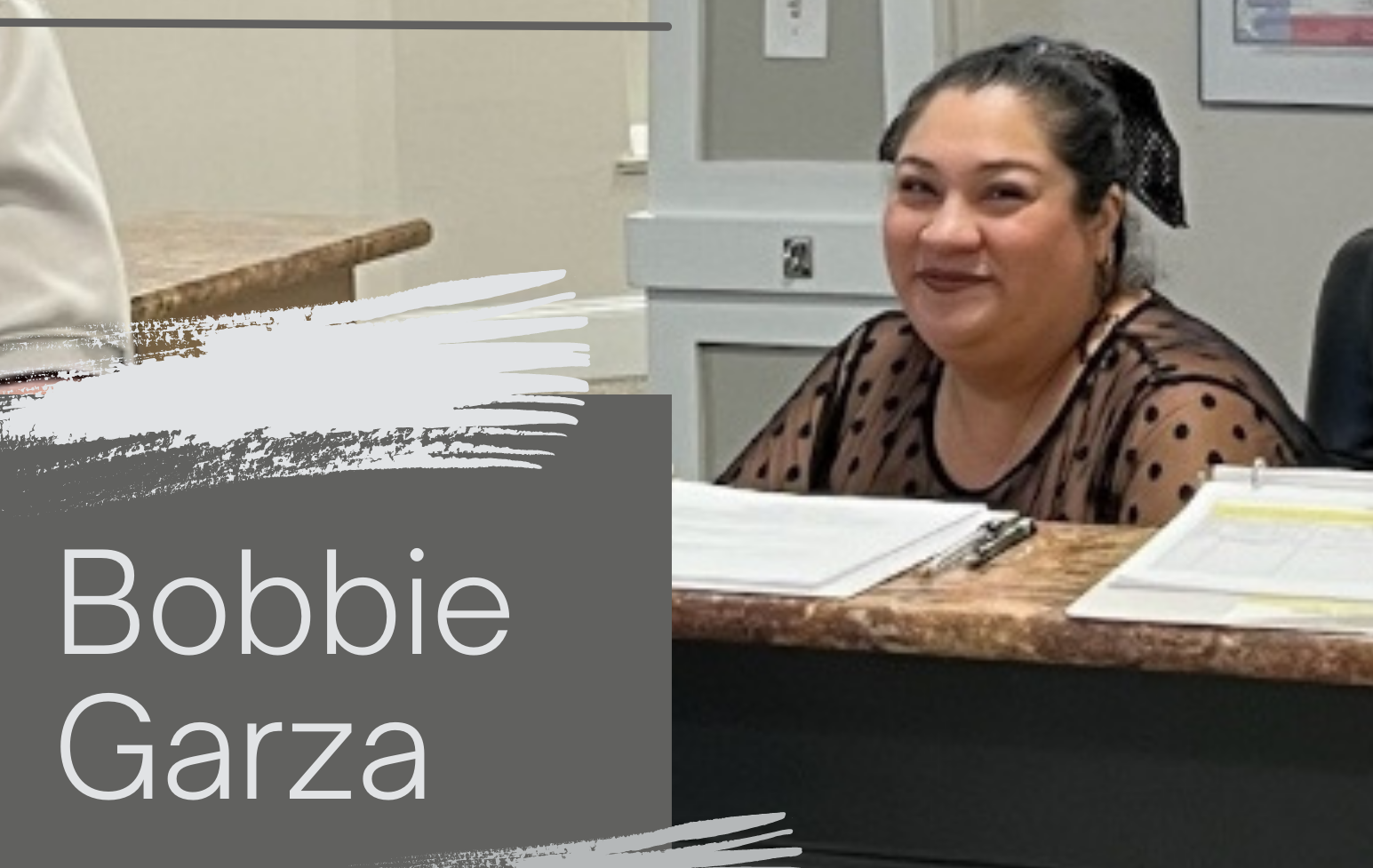
In a world where opportunities can seem scarce, Bobbie Garza's journey stands as a shining example of how workforce assistance programs can significantly impact individuals' lives. When Bobbie received a letter from Workforce Solutions East Texas (WSET), little did she know that it would lead her to a life-changing orientation with the Health and Human Services Commission (HHSC).


Initially attending the orientation with modest expectations, Bobbie quickly realized the potential benefits that awaited her. Enrolling in the CHOICES program, which was designed to assist individuals receiving HHSC benefits, Bobbie found herself on a path toward personal and professional growth.


With her determination to find employment and the added support of program funding, Bobbie landed a job at Hawkins Creek Assisted Living and Memory Care. Six months into her tenure, she received two pay raises and was recognized as the Employee of the Month for April. Her exceptional work ethic and genuine care for visitors and residents have earned her the prestigious Life Award Recipient title.


Bobbie's success story is a testament to her hard work and dedication, but it also highlights the crucial role WSET and the CHOICES program played in her achievements. Their guidance and support have helped Bobbie secure employment and nurtured her potential to become an invaluable team member at Hawkins Creek.


With a warm smile and a friendly personality, Bobbie's interactions with the residents at Hawkins Creek have left a lasting impact. Going above and beyond her job duties, she creates an atmosphere of genuine care and compassion, making the residents feel valued and loved.


When asked about her journey, Bobbie expressed her heartfelt appreciation for WSET's unwavering support. The opportunities provided to her have truly been life-changing, and she credits the program for paving the way for her success.


Bobbie Garza's story serves as a powerful reminder of the transformative potential of workforce assistance programs. It demonstrates how, with proper support and dedication, individuals can overcome challenges and find fulfilling careers that benefit them and enrich the lives of those they touch. As more people like Bobbie are empowered through such programs, we can build a stronger, more inclusive community where everyone has the chance to thrive and contribute positively.


To learn more about the WSET CHOICES program, visit www.easttexasworkforce.org/adults.

By Workforce Solutions East Texas July 13, 2026
Workforce Solutions East Texas welcomed an excellent crowd on July 8, 2026, for a ribbon cutting celebrating its new Tyler Workforce Center in Midtown Centre. The event marked an important milestone for the organization and highlighted its continued commitment to expanding access to workforce services in one of East Texas’s key communities. Workforce Solutions East Texas provides no-cost services for employers and job seekers and is part of the broader Texas Workforce Solutions network overseen by the Texas Workforce Commission. Guests heard remarks from Congressman Nathaniel Moran, Workforce Solutions East Texas Board Chair Gene Keenon, Chief Elected Officials Board Chair Marion County Judge Leward LaFleur, ETCOG Executive Committee 2nd Vice Chairman and Smith County Commissioner Ralph Carraway Sr., and ETCOG Executive Committee Chairman and Whitehouse Mayor James Wansley. Located at 1421 S. Beckham Avenue, the new center strengthens Workforce Solutions East Texas’s presence in Tyler and offers a larger, more connected space for service delivery. The 28,500-square-foot facility brings departments together under one roof and was designed to support employers, job seekers, and community partners with convenient access and room for future growth. The new center reflects the organization’s mission of connecting East Texans to opportunity while helping businesses recruit, hire, train, and retain skilled workers. Through local partnerships and support from the Texas workforce system, Workforce Solutions East Texas continues working to strengthen the regional economy and create pathways to long-term success for East Texas families and communities.
June 24, 2026
Each July, Disability Pride Month is celebrated as a time to recognize the history, achievements, experiences, and contributions of people with disabilities. The observance traces back to July 26, 1990, when the Americans with Disabilities Act (ADA) was signed into law, marking a major milestone in disability rights. The first official Disability Pride Month was later recognized in July 2015 during the 25th anniversary of the ADA. Disability Pride Month is not only a celebration but also a reminder of the importance of visibility, accessibility, and inclusion. It highlights the disability community’s ongoing advocacy and the progress made through legislation, public awareness, and collective action. One of the most recognized symbols of Disability Pride is the Disability Pride flag. In 2019, writer Ann Magill, who has cerebral palsy, created the original flag after a negative experience at an ADA anniversary event. The first design featured bright zigzagging stripes over a black background, meant to symbolize the barriers people with disabilities face. However, members of the disability community shared that the design could trigger symptoms for some individuals with visually sensitive disabilities when viewed on screens. In response to that feedback, Magill revised the design by straightening the stripes, muting the colors, and adjusting the arrangement to better accommodate red-green colorblindness. The updated flag reflects the community’s commitment to accessibility and collaboration, showing how people can work together to meet differing access needs. Magill also placed the design in the public domain, making it available for all to use and adapt. Each color in the Disability Pride flag carries meaning: Red represents physical disabilities Gold represents neurodiversity White represents invisible disabilities and undiagnosed conditions Blue represents emotional and psychiatric disabilities Green represents sensory disabilities, including deafness and blindness Faded Black background represents mourning and rage for victims of ableist violence and abuse Disability Pride Month also offers an opportunity to reflect on the history of disability rights legislation in the United States. Over the last century, important laws have helped expand services, protect civil rights, and improve access to employment and public life. Milestones include the Smith-Fess Act of 1920, the Social Security Act, the Vocational Rehabilitation Act Amendments, the Rehabilitation Act of 1973, the ADA, the Rehabilitation Act Amendments of 1992, and the Workforce Innovation and Opportunity Act (WIOA). Together, these laws helped shape a stronger framework for inclusion, employment support, nondiscrimination, and access to services for people with disabilities. They also reflect the work of advocates, policymakers, and communities who pushed for a more equitable society. During Disability Pride Month, we recognize both progress made and the work that continues. It is a time to celebrate identity, honor disability history, and reaffirm the importance of creating communities and workplaces where everyone has the opportunity to participate fully.
June 23, 2026
For Verlie Mae Snyder, caregiving has always been more than a profession; it is a calling rooted in faith, compassion, and love for others. Originally from the Philippines, Verlie Mae worked as a Registered Nurse in her home country for eight years after earning her degree. “I love to care for people,” she shared. Working in a faith-based hospital, she believed God was the true healer and that caregivers were tools for bringing comfort and hope to those around them. In 2000, she fulfilled her dream of coming to the United States with deep gratitude and purpose. “I have a giving heart, and I want to give it to the American people,” she said. Her journey was not without challenges. She attempted to pass the NCLEX but struggled with the transition to computer-based testing. Though she did not obtain her U.S. nursing license, she never allowed that to define her. “Nursing isn’t just a license or paper; it’s about loving and caring for people.” Her journey took her through Maryland and Washington, D.C., before eventually settling in Tyler, Texas, where she worked in nursing homes and hospice care, including during the COVID-19 pandemic. Known for using music to comfort patients, she often helped residents reconnect with cherished memories through song and conversation. She also spent a year and a half caring for a local veteran with dementia, creating meaningful memories through simple joys like lake visits, birdwatching, and ice cream outings. Reflecting on his passing in 2025, she said, “I was sad, but happy that I could give him good memories at the end of his life.” After this chapter, Verlie Mae enrolled in Workforce Solutions East Texas through the RESEA program (Reemployment Services and Eligibility Assessment), which helps individuals receiving unemployment benefits return to work through career coaching and job-search support. There, she met Career Navigator Cheryl Jackson, who helped her strengthen her resume, prepare for interviews, and rebuild her confidence. “She told me, ‘Verlie Mae, you ARE a nurse,’” Verlie Mae recalled. “She lifted me up.” Through Workforce Solutions East Texas, she also accessed training and resources that strengthened her skills. “I tell everyone, go to Workforce Solutions East Texas, and they will help you,” she said. “Workforce has so many programs to help workless people or people that do not know what they want to do.” After months of persistence and faith, Verlie Mae found her next calling at Breckenridge Village of Tyler, a nonprofit residential community supporting adults with intellectual and developmental disabilities, where she now serves as a Direct Care Professional. “At Breckenridge Village, I found more than a job; I found a home,” she said. The faith-based environment and focus on kindness align closely with her values. Verlie Mae encourages others to remain hopeful and seek support when needed. “You have to love your work,” she said. “When you love what you do, you come home happy, not tired.” Through every chapter of her journey, Verlie Mae Snyder has remained guided by faith, strengthened by compassion, and committed to serving others. Her story is a reminder that purpose is not defined by a title, but by the lives you touch along the way.
Show More