
Unemployment Guidance for Self-Employed, Contract and Gig Workers
Texas Workforce Commission • April 22, 2020

TWC Advises Non-Traditional Applicants on Unemployment Process
The Texas Workforce Commission (TWC) advises self-employed, contract and gig workers who have lost work due to the COVID-19 pandemic to apply for Pandemic Unemployment Assistance (PUA) using Unemployment Benefits Services(UBS).
During the application process, when UBS asks non-traditional workers the reason for their job separation, they should select “reduced hours.” If their reduced hours are a result of COVID-19, they should also select “COVID-19” under the disaster impact section. The system will then display questions they need to answer to complete their claim.
After completion, the system will first review the claim for regular unemployment insurance eligibility, which will result in a denial for regular unemployment benefits only. Subsequently, TWC will automatically enroll these applicants in PUA. The initial denial for unemployment insurance may cause confusion but does not affect the PUA eligibility.
Those who have already submitted claims should not reapply. They should continue to request benefit payment every two weeks while TWC enrolls them in PUA.
Applicants do not need to call TWC. Non-traditional applicants who are eligible will qualify for a base weekly benefit amount of $207, plus the additional $600 Federal Pandemic Unemployment Compensation (FPUC) payment per week.
Self-employed, contract and gig workers must submit their 2019 IRS 1040 Schedule C, F or SE prior to December 26, 2020 by fax, email or mail:
- Fax: (512) 936-3250
- Mail: Texas Workforce Commission, P.O. Box 149137, Austin, TX 78714-9137
- Email: San Antonio UI Mail: sanantonio.uimail@twc.state.tx.us.
Note: Applicants who submit their tax information may not receive an immediate response. Please do not resubmit unless explicitly asked.
Source: Texas Workforce Commission
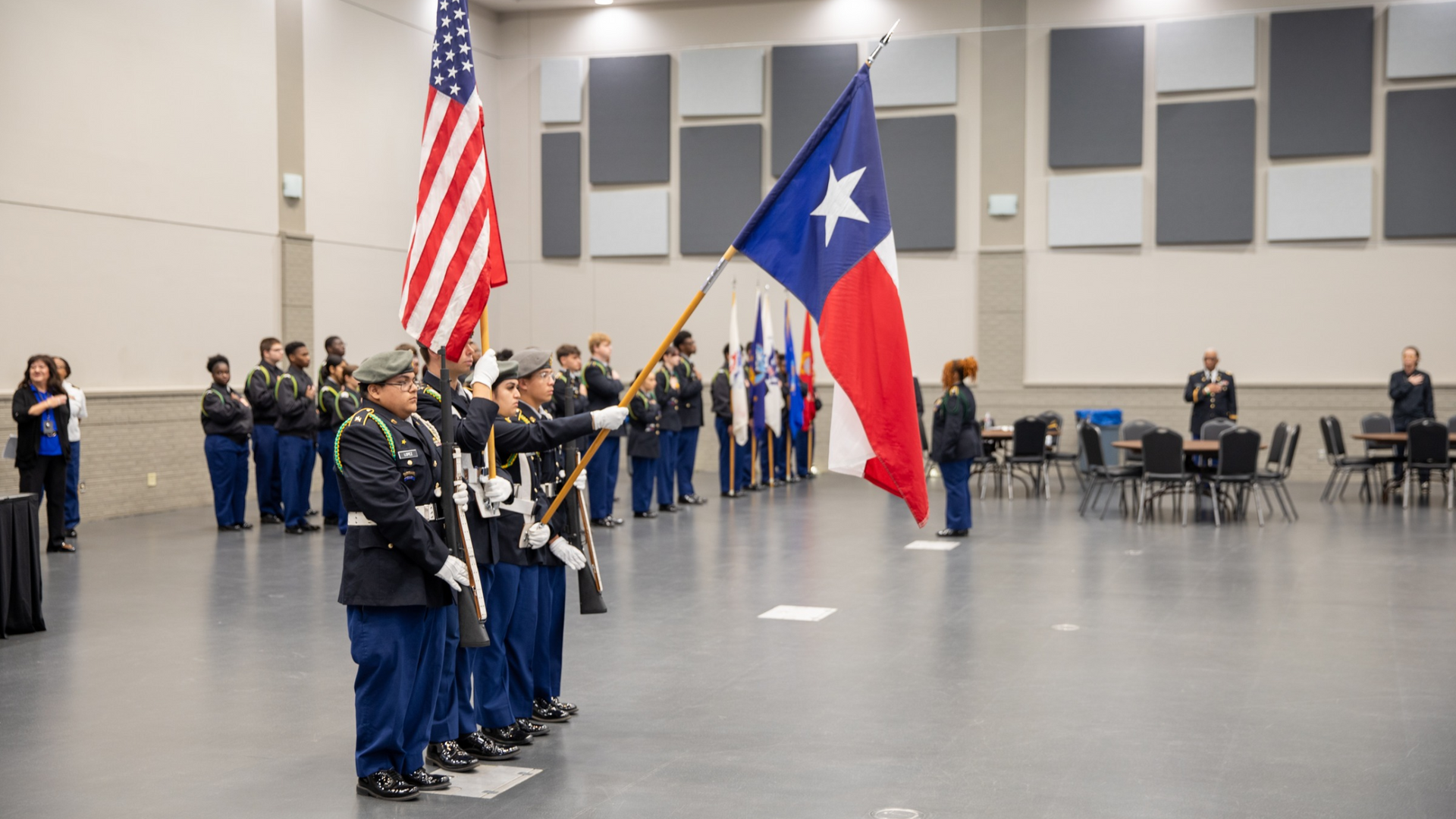
This November, the Texas Workforce Commission (TWC) is hosting the 15th Annual Hiring Red, White & You! event series. The series includes nearly 30 hiring events across the state from Nov. 2-20 to connect veterans, transitioning service members, and military spouses to Texas employers. "Texas is the best place for veterans and military families,” said Governor Greg Abbott. "More than 1.4 million veterans call our great state home. Their skills and leadership make our economy stronger. These hiring events put their talents to work." "Texas is proud to be home to more than 1.4 million veterans, whose unmatched leadership, dedication, and technical skills make them invaluable assets to our state's economy,” said TWC Chairman Joe Esparza. “The Hiring Red, White & You! initiative is our way of thanking these brave men and women by directly connecting them with world-class career opportunities in Texas.” TWC partners on the events with Texas Workforce Solutions, Texas Veterans Commission (TVC), and the Texas Medical Center. “As a Navy veteran, I know firsthand the value veterans bring to the workplace,” said Texas Veterans Commission Chairwoman Laura Koerner. “Hiring Red, White & You! creates important opportunities for veterans, transitioning service members and military spouses across Texas. We’re grateful to the Governor, our friends at TWC, employers and all of our partners who work alongside us to serve those who served.” Since 2012, these free hiring events have connected more than 28,000 employers with 167,000 job seekers, including 56,157 active-duty military, transitioning service members, veterans, and their spouses. Hiring Red, White & You! events have also resulted in more than 4,100 same-day hires. “Texas veterans and military spouses possess a world-class work ethic and diverse talents that are ready to be put to work today,” said TWC Commissioner Representing Labor Alberto Treviño III. “Through the Hiring Red, White & You! event series, we are making sure our military community has the direct connections they need to find rewarding, high-demand careers that honor their service.” Employers can participate in Hiring Red, White & You! at no cost and are encouraged to visit TWC’s Hiring Red, White & You page for more information. Through the WeHireVets initiative, TWC also recognizes businesses in which veterans make up at least 10% of the workforce. “Hiring a veteran is more than a way to honor their service—it's also a smart business decision that brings valuable skills and experience to the workplace,” said TWC Commissioner Representing the Public Brent Connett. “Through programs like Hiring Red, White & You! and WeHireVets recognition, we are encouraging employers to tap into this highly skilled talent pool.” For information on all veteran workforce services available in Texas, visit twc.texas.gov/veterans .

Workforce Solutions East Texas is seeking employer partners for Hiring Red, White & You!, the local celebration of Texas’ statewide veterans hiring event. Join us on Tuesday, November 10, 2026, at the Tyler Workforce Center, 1421 S. Beckham Ave., Tyler. The opening ceremony begins at 9:30 a.m., followed by the hiring event from 10 a.m. to 1 p.m. Hiring Red, White & You! connects employers with veterans, transitioning service members, military spouses, and other qualified East Texas job seekers. It is an opportunity to meet candidates whose military experience often reflects leadership, adaptability, communication skills, and a strong commitment to service. This event is open to the public, making it an excellent opportunity to promote current openings and build your organization’s talent pipeline. Employer participation is available at no cost. Across Texas, Hiring Red, White & You! events have connected more than 26,000 employers with 153,000 job seekers, including more than 52,000 veterans. Employers who hire qualifying veterans may also be eligible for federal Work Opportunity Tax Credit benefits of up to $9,600 per eligible hire. Reserve your employer space today by registering at www.EastTexasWorkforce.org/hrwy .

The Texas Workforce Commission (TWC) is currently accepting applications for the Upskill Texas grant program. This technical training initiative provides crucial funding for Texas businesses looking to enhance their workforce's skills and remain competitive in today's rapidly evolving economy. Upskill Texas offers financial support to employers that are: Expanding their operations Retooling their processes Introducing new services or product lines Experiencing organizational structure changes that could avert layoffs Through Upskill Texas, employers may be reimbursed up to $3,000 per trainee for 100% technical training. The majority of the trainees must have been employed by the business for at least six months. To be eligible, businesses must have 100 or more employees located in Texas and provide a 50% employer match, which can include trainee wages and benefits. Private employers may appoint a designee for the grant, including community or technical colleges, third-party trainers, or workforce development boards. Projects can range from $150,000 to $500,000. Follow the link below to learn more.